

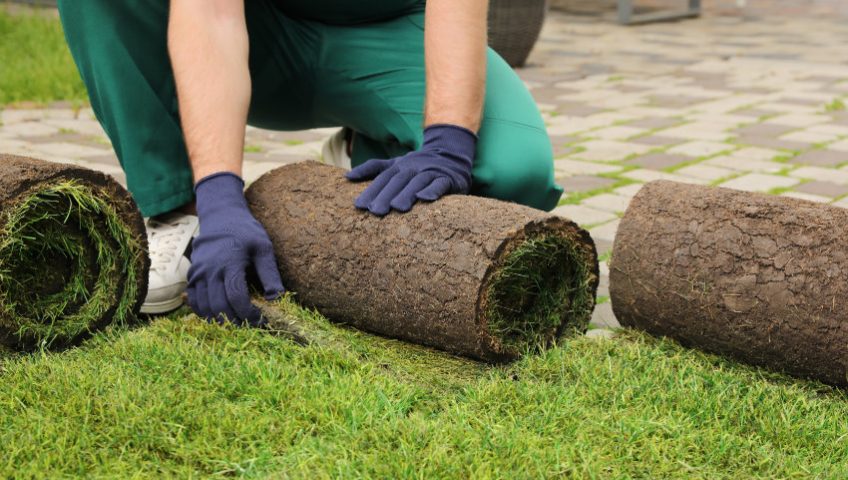
Spring is renovation season across Southeastern Massachusetts. After a long winter, many homeowners are looking at thin turf, patchy areas, or full lawn resets. As a result, they are asking the same question:
Should we install irrigation before putting down new seed or sod?
In most cases, yes — installing an automatic sprinkler irrigation system before reseeding or laying sod is the smarter long-term approach. It helps protect your investment. Additionally, it prevents unnecessary disruption later. It also ensures your new lawn has consistent moisture during the most critical establishment period.
The Short Answer: Install Irrigation First
 If you’re planning to reseed or install sod this season, irrigation should typically come first. While it’s possible to add a sprinkler system afterward, doing so can disturb new grass. This can create avoidable stress and increase the likelihood of visible repair areas.
Installing irrigation first allows the system to be designed properly, tested fully, and ready to support the lawn the moment new seed or sod is in place.
Why Installing Irrigation Before Sod or Seed Makes Sense
1. You Avoid Disturbing Brand-New Grass
Even with careful installation practices, sprinkler systems require trenching for underground lines and placement of heads. When that work is done before sod or seeding, restoration is straightforward. It also blends naturally with the final lawn finish.
When irrigation is installed after sod is laid, portions of the new lawn may need to be cut, lifted, or repaired — which can interrupt root establishment and create visible seams.
Planning Sod or Reseeding This Season?
If you’re considering lawn renovation, we can help you coordinate irrigation installation so your new grass gets the consistent watering it needs from day one.
2. New Sod and Seed Require Consistent Moisture
One of the most important factors in successful lawn establishment is consistent watering. According to the University of Massachusetts Amherst Extension, newly seeded turf requires frequent, light watering to keep the surface consistently moist during germination. Newly installed sod also requires regular irrigation during the first few weeks. This helps promote root development into the underlying soil.
Manual watering with hoses and timers often results in uneven coverage — some areas receive too much water, others not enough. A properly zoned irrigation system provides uniform distribution, which helps avoid dry patches and overwatered areas during this critical phase.
3. Proper Zoning Is Easier Before Final Landscaping
When irrigation is installed first, the system can be designed around how the property will ultimately function. Sun exposure, shaded areas, slopes, and plant beds can all be accounted for in the layout.
Modern irrigation systems are designed to apply water efficiently when properly configured. The EPA’s WaterSense program notes that outdoor watering can account for a significant portion of residential water use. Well-designed systems can help improve application efficiency compared to inconsistent manual watering.
Can You Install a Sprinkler System After Laying Sod?
Yes, it can be done. But it is usually more disruptive and less ideal.
Post-sod installation may require sections of newly laid turf to be cut and replaced in order to install lines and heads. While experienced contractors can restore these areas carefully, installing irrigation before sod simply reduces the number of moving parts.
If your lawn has already been installed, irrigation is still very possible — but if you are in the planning phase, coordinating both projects together is typically the cleaner approach.
Don’t Overlook the Backflow Preventer
When installing a new in-ground irrigation system in Massachusetts, one component that is required — and often overlooked — is the backflow preventer. This device protects your home’s drinking water supply by preventing irrigation water from flowing backward into the municipal water system.
The Massachusetts Department of Environmental Protection (MassDEP) requires approved backflow prevention devices for irrigation systems to protect public water supplies (MassDEP Backflow Prevention Guidance).
As part of a new sprinkler installation, Belmont Irrigation handles proper backflow preventer installation, testing, and ongoing service. Because these devices must be installed correctly and maintained over time, coordinating them as part of your overall irrigation project ensures compliance. Moreover, it ensures long-term reliability.
Local Considerations in Southeastern Massachusetts
In this region, spring weather can be unpredictable. We often see stretches of dry, windy days followed by heavy rainfall. Coastal exposure and sandy soil conditions in certain towns can also affect how quickly moisture drains away from the root zone.
These local factors are part of why consistent irrigation becomes especially important during establishment. A newly seeded or sodded lawn does not yet have deep roots to tolerate dry spells. Additionally, relying solely on rainfall can lead to uneven results.
When Should You Schedule Irrigation and Lawn Renovation?
If you are planning sod or reseeding this spring or fall, the best time to discuss irrigation is before materials are delivered. Coordinating the timing allows the irrigation system to be installed, tested, and fully operational before the new lawn goes down.
That does not mean everything must happen at once. It simply means planning early gives you flexibility and prevents avoidable rework.
Final Takeaway
If you’re investing in new seed or sod, installing irrigation first is usually the cleaner, smarter approach. It protects your lawn investment, supports healthy establishment, and ensures your system — including required backflow prevention — is installed correctly from the start.
With proper planning, your irrigation system becomes part of the foundation of a healthier lawn for seasons to come.
Want a Recommendation for Your Property?
Every yard is different. We’re happy to take a look and help you decide the right order and timing for irrigation and lawn renovation.