

How Improper Irrigation Worsens Lawn Disease
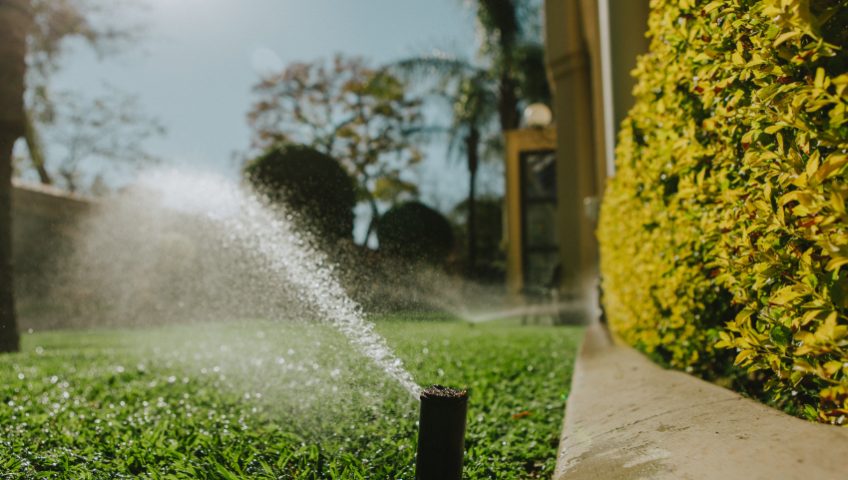
If you’ve ever battled brown patches on your lawn in towns like Weston, Needham, or Watertown, you’re not alone—and surprisingly, irrigation is often the culprit. It’s not that people are ignoring their lawns. In fact, sometimes it’s the opposite: well-intentioned overwatering or poor timing can quietly invite disease right into your turf.
Overwatering Creates a Breeding Ground for Fungi
Let’s start with a common issue: too much water. In places like Wellesley and Winchester, where the soil tends to be heavier with clay, water doesn’t always drain well. That extra moisture lingers near the surface, making it the perfect environment for diseases like Pythium Blight and Brown Patch to thrive. It also starves your grass roots of oxygen, weakening them over time. And if you’re watering at night—especially during our muggy Massachusetts summers—that moisture just sits there while temperatures stay warm. Fungi like Rhizoctonia love those conditions. They’ll quietly spread while you’re sleeping.
Uneven Coverage Promotes Brown Patches and Stress Zones
Hilly properties are beautiful, but they come with quirks. In Bedford and Weston, for example, sloped lawns can be tricky to water evenly. What often happens is the bottom of the slope gets soaked, while the top barely sees any water at all. That inconsistency stresses out your grass. Drought-stressed areas up top and soggy patches below become easy targets for diseases like Dollar Spot or Leaf Spot. A healthy lawn needs consistency, and uneven watering throws everything off balance.
Watering at Night Fuels Fungal Growth
It’s easy to understand why some folks water in the evening—it’s cooler and you’re home from work. But unfortunately, nighttime watering is one of the sneakiest mistakes you can make. It keeps the grass wet for hours, which fungi absolutely love. Instead, aim to water early in the morning. That way, the lawn has all day to absorb what it needs, and any leftover moisture dries up quickly in the sun. It’s a simple change that makes a big difference.
Compacted or Shaded Areas Need Special Attention
Some lawns, especially in older neighborhoods like Winchester or Needham, have soil that’s been packed down over the years. That compacted ground holds water longer than it should, creating a damp and stagnant environment near the roots. And in shaded yards—like those in Watertown where trees or buildings block the sun—evaporation slows to a crawl. Those shady spots are especially prone to Red Thread and Leaf Spot. The trick is treating each part of your lawn based on what it actually needs. Shady corners shouldn’t be getting the same amount of water as sun-drenched spots.
Common Lawn Diseases in Massachusetts
| Image | Disease | Typical Conditions | Irrigation-Related Cause |
|---|---|---|---|
 |
Brown Patch (Rhizoctonia solani) – Circular brown spots with pale rings, thrives in hot, humid conditions. Affects tall fescue, ryegrass, and Kentucky bluegrass. Learn more. | Hot, humid conditions | Excessive moisture, nighttime watering |
 |
Dollar Spot (Sclerotinia homoeocarpa) – Small silver-dollar-sized tan patches during cool, moist periods. Common in spring and fall. See guide. | Cool, moist weather | Underwatering, poor nitrogen levels |
 |
Red Thread (Laetisaria fuciformis) – Reddish thread-like fungal growth in low-nitrogen soil. Affects fine fescue and ryegrass. Read more. | Cool, damp weather | Low nitrogen, prolonged moisture |
 |
Leaf Spot / Melting Out (Drechslera spp.) – Begins as purple leaf spots, spreads rapidly under moist conditions. MSU Extension info. | Hot, wet periods | Frequent watering, mowing stress |
 |
Pythium Blight (Pythium spp.) – Greasy-looking patches that spread during hot, wet conditions. Common in poorly drained areas. Further reading. | Hot, wet periods | Poor drainage, excessive watering |
 |
Snow Mold (Gray & Pink) – Found in spring following snowmelt. Leaves matted, discolored grass. | Cool, wet conditions | Snow-covered grass, overfertilization |
Smart Irrigation Solutions That Promote Lawn Health
 When you think about irrigation systems, it’s easy to imagine a set-it-and-forget-it setup. But these days, smart irrigation has come a long way—and it can make a world of difference when it comes to keeping your lawn healthy and disease-free. If you’ve ever struggled with patchy spots or wet zones that just don’t seem to bounce back, a few simple upgrades might be all you need to turn things around.
Watering at the Right Time of Day
One of the easiest wins? Watering in the early morning. Smart systems can take care of this for you automatically. Rather than watering at night—when moisture tends to linger on grass blades and invite fungus—you can set the system to run just before sunrise. That way, the water has time to soak in, and any leftover moisture evaporates naturally once the sun comes up. For places like Wellesley, where tree cover can keep humidity trapped close to the ground, this simple timing shift can prevent a whole lot of trouble.
Weather-Based Adjustments Prevent Overwatering
In towns like Bedford or Weston, we’ve all experienced those surprise summer downpours that leave the lawn saturated—and sometimes, the sprinklers keep running anyway. Smart irrigation systems can adjust automatically based on the weather forecast. If rain is on the way (or already fell last night), your system knows to hold off. It’s a small change that helps prevent overly wet soil, which can lead to root rot and other disease issues—especially in lawns that already have poor drainage.
Moisture Sensors Eliminate Guesswork
If you’re not sure when to water—or how much—moisture sensors can take the guesswork out of the equation. These sensors monitor the actual moisture levels in your soil and only tell the system to water when it’s truly needed. This is especially helpful in neighborhoods like Needham or Watertown, where sloped or patchy lawns can dry out unevenly. You won’t end up overwatering one side of the lawn just because another part looks dry.
Zone-Based Control Tailors Watering to Microclimates
Every yard has its quirks. Maybe one side of the house gets full sun while another is shaded most of the day. With a zone-based system, you can set up different watering schedules for different parts of the yard. It’s one of those features that really makes sense once you use it—especially in places like Weston and Winchester, where lawns often include a mix of turf types, slopes, and sun exposure. You can give each section exactly what it needs without overdoing it.
App-Based Monitoring and Alerts
And here’s the part a lot of people love: most modern irrigation systems can connect to your phone. That means you can adjust your watering schedule on the go, check for leaks, or get alerts if something goes wrong. Whether you’re in Wellesley or away for the weekend, it’s like having a watchful eye on your lawn even when you’re not home. Plus, it gives you peace of mind—no more wondering whether the system actually ran, or whether that brown patch is a watering issue or something else entirely.
Worried About Brown Patches? We Can Help
Our irrigation specialists are experienced with local lawn conditions across the Greater Boston area. Let us inspect your system and recommend smart upgrades that can prevent disease before it starts.
Further Reading
- How to Treat Brown Patch Disease – Tips on moisture control and air circulation.
- UMass Amherst Turf Facts – Best practices for managing Brown Patch in New England.
- UNH Extension Turfgrass Disease Guide – Region-specific disease management.