


If you live in Massachusetts, October is your moment. The leaves pile up, night temps dip, and your lawn starts slowing down. It’s also when your sprinkler system needs one last bit of attention before winter settles in. This guide walks you through practical, no-nonsense irrigation winterization steps—the same approach our technicians use across Greater Boston, MetroWest, the South Shore, and Cape Cod. Follow along and you’ll head into winter confident that you’ve protected pipes, valves, and your backflow preventer—without guesswork.
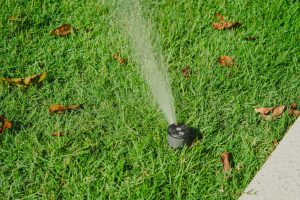
Whether you’re in Canton, Easton, Sharon, or coastal towns like Hull, Marshfield, Plymouth, winter prep works best when it’s deliberate and a little early. The goal is simple: keep water from freezing inside your system. That means shutting off the supply, powering down correctly, draining exposed components, and finishing with a professional irrigation blow out (a controlled air service that clears lingering water safely). Let’s get it done step by step.
Step 1: Turn Off the Irrigation Water Supply
Find your irrigation shut-off valve—usually in the basement near where the main line exits, in a utility room, or in an access box. Turn it fully off. This stops new water from feeding your system during winterization and prevents accidental refills after your blow-out service. If you have a drain on the interior line, open it momentarily to relieve pressure and let a small amount of water escape. Label the valve for spring so it’s obvious what to reopen later.
In older homes around Newton, Wellesley, Milton, shut-offs may be tucked behind finished walls or cabinetry. If you can’t find yours, don’t force anything—your technician can help locate and safely close it during the appointment.
Step 2: Power Down or Adjust the Controller
Set your controller to Off, Rain Mode, or Winter. Leaving it in “Run” can trigger a cycle even after a blow-out, and if your water supply is accidentally opened, you could refill lines in the dead of winter. For smart controllers (we often install Hunter Smart Controllers across Greater Boston), enable any Freeze-Skip or Seasonal Adjustment features so the system automatically reduces watering in late fall and stays dormant once you shut down. If you prefer, unplug the transformer for the winter.
Step 3: Drain Exposed or Above-Ground Components
Next, deal with the parts that freeze first: anything you can see above grade. That usually means the backflow preventer, exterior filters, pressure regulators, or manifolds. Many assemblies have small drain screws or petcocks; open them cautiously to release water. Once drained, leave them slightly open so trapped droplets have room to expand if temperatures bounce around.
Inland pockets in Medfield, Franklin, Mansfield often freeze earlier than coastal areas. Even if your yard still feels mild during the day, the copper or brass at your backflow can chill and freeze on clear, windless nights.
Step 4: Schedule a Professional Irrigation Blow Out
This is the heart of winterization. An irrigation blow out uses compressed air—regulated for safe PSI and volume—to push water out of lateral lines, valves, and sprinkler heads. The key is even pressure and a deliberate sequence. Pros isolate the system, set the compressor to manufacturer-safe levels, and run zones one by one to clear lines without “hammering” components.
Why not DIY? Consumer compressors often lack the steady airflow needed to clear long runs or multiple rotors. Cranking up the pressure is not the answer; it risks damaging diaphragms, seals, and internal springs. Every spring we see the fallout from DIY attempts: heads that won’t pop, stuck solenoids, and silent leaks. A professional blow-out service is the safest, most cost-effective way to winterize your irrigation system fully.
For Western/Central MA, target early to mid-October. For Greater Boston and MetroWest, mid-October is ideal. Along the South Shore and down to Plymouth and the Cape, late October into early November can be fine—but book ahead, because first cold snaps fill every available slot.
Book Your Professional Irrigation Blow Out
A controlled, zone-by-zone blow-out service clears residual water without stressing valves or heads. Get on the schedule before frost.
Step 5: Insulate and Protect
After the blow out, add simple insulation to exposed assemblies. Foam pipe sleeves, faucet covers, and insulated backflow jackets are inexpensive insurance. Focus on the vacuum breaker and any above-grade copper or PVC. If your backflow sits on the sunny side of the house in Canton or Easton, it may feel warm daytime—don’t be fooled. Overnight frost doesn’t care about yesterday’s sun.
Step 6: Check Valves, Caps, and Zones
Use this pause before winter to give your system a quick once-over. Look for low or tilted heads that collected soil or mulch, cracked caps on rotors, or drip lines that surfaced during summer. Make a short list for spring: heads to re-level, nozzles to swap, areas to re-nozzle for better coverage. You’ll thank yourself when start-up season arrives and you can move straight to dialing in performance instead of troubleshooting cold-weather surprises.
Step 7: Finish with a Simple End-of-Season Checklist
When you’ve completed the irrigation winterization steps, confirm the basics:
- Water supply closed and interior drain cracked open briefly to relieve pressure.
- Controller off (or in Rain/Winter mode), optional transformer unplugged.
- Professional irrigation blow out completed zone by zone.
- Backflow and exposed piping insulated.
- Notes made for spring start-up adjustments or repairs.
How This Looks in Real Life
In Sharon, a homeowner with a mix of sun and deep shade schedules an early blow out because their low back yard traps cold air. In Newton, a courtyard property waits a week longer but wraps the backflow preventer and keeps the controller in Rain mode just in case. Down in Marshfield, coastal breezes keep days milder, but clear nights can still flash-freeze shallow fixtures; they book for late October and insulate as soon as the technician finishes. Different towns, same plan: shut off, power down, drain exposed parts, blow out, insulate, check, double-check.
Common Mistakes (and Easy Fixes)
Waiting for a “hard freeze.” You don’t need a 20°F night to crack parts—brief dips around 32°F can ice up exposed or shallow segments. Fix: schedule your blow-out service before the first frost advisory.
Leaving the controller in Run. A random cycle can re-pressurize lines if the water supply gets opened. Fix: switch to Off/Rain/Winter mode and consider unplugging the transformer.
DIY over-pressurization. High PSI doesn’t equal good clearing. Fix: let a pro regulate pressure and sequence zones correctly.
Skipping insulation. The backflow is often the first casualty. Fix: insulate right after your irrigation blow out.
FAQ:
Quick Answers Before You Book
Do I still need a blow out if I turned the water off? Yes. Turning off supply stops new water from entering, but there’s still water in laterals, valves, and heads. A controlled irrigation blow out clears those pockets.
What if I miss the October window? Schedule the earliest available appointment and insulate exposed components immediately. Keep the controller off. Many systems can still be saved before prolonged freezes set in.
Will smart controllers do this for me? They’ll reduce watering, but they can’t clear water from lines. You still need a professional blow-out service to fully winterize the irrigation system.
The Bottom Line
Winterization isn’t complicated—it’s just precise. Close the supply, power down right, drain what you can see, bring in a pro for the blow out, insulate the sensitive parts, and make a short list for spring. If you handle these steps now, your system will wake up cleanly in March: no split pipes, no backflow surprises, and no mystery leaks watering the driveway. If you’re anywhere in Canton, Easton, Sharon, Newton, Wellesley, Milton, Scituate, Marshfield, Plymouth, or nearby, we’re close by and ready to help.
Winterize Once, Sleep Easy All Winter
Serving Greater Boston, MetroWest, the South Shore, and Cape. Book your blow-out service now so cold snaps don’t catch you off guard.