


We’ve all been there—you look out the window in July and instead of a lush green carpet, your lawn is a patchwork of dry, brittle brown. It’s frustrating, especially when you’ve invested in a sprinkler system that’s supposed to do the hard work for you. Lately, we’ve seen a lot of interest from homeowners across Massachusetts—from Newton to Wellesley to Easton—wondering why their lawn isn’t holding up through the summer heat. The answer often lies right beneath their feet: a struggling or overlooked sprinkler system. Let’s dig into why grass turns brown and how proper sprinkler repair, done year-round, can turn things around.
What Really Causes a Lawn to Brown in the Summer?
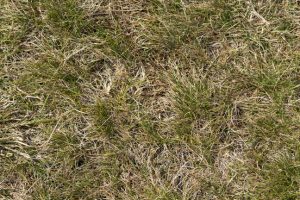 Here in the Greater Boston area, summer isn’t just warm—it can be downright punishing for your grass. Some browning is normal, especially for cool-season grasses that go dormant when temperatures climb past 85°F. But not all browning is harmless. If you’re seeing large dry patches, uneven color, or areas that never seem to bounce back, your lawn might be suffering from something more than heat stress.
One of the main culprits? Poor water delivery. Your lawn needs consistent moisture to stay green, and if your sprinkler system is misfiring—maybe it’s missing spots or not turning on when it should—then certain areas get left high and dry. Combine that with a couple of 90-degree days, and you’ve got a recipe for a crispy front yard.
How Sprinkler Problems Make Things Worse
You might not notice right away when something’s off with your sprinklers. Maybe the heads don’t rise all the way, or the spray doesn’t reach as far as it used to. Sometimes a zone just doesn’t kick on, or you spot water pooling in one spot and nowhere else. These small signs are easy to overlook, but they add up fast.
Even a minor issue like a clogged nozzle or a tilted head can throw off the entire balance. The trouble is, you won’t always catch it until your grass starts protesting. And by then, the damage may already be done. A well-maintained system should water evenly, at the right time of day, and provide just the right amount for your soil type. When it doesn’t, you’re not only wasting water—you’re also setting your lawn up for failure.
Seasonal Changes and the Toll They Take
Massachusetts weather isn’t easy on irrigation systems. In spring, a system that sat dormant all winter might start up with low pressure or delayed response. Summer heat puts everything under strain, and if your system’s not primed for the demand, it can start to wear out fast. And by the time fall rolls around, wear and tear from the summer season may have taken its toll on valves, pumps, and heads.
This cycle plays out year after year. But a lot of homeowners assume their sprinkler system is “set it and forget it.” The truth is, every season introduces different stress points. Spring might bring backflow issues or debris in the lines. Summer exposes leaks, broken heads, and zones that can’t keep up. In fall, issues with drainage or controller settings become more obvious as watering schedules change. Ignoring these seasonal impacts means putting your lawn—and your system—at risk.
Real Talk: What We’re Seeing in Local Lawns
 We’ve helped plenty of folks who ran into these exact problems. There was a family in Wellesley who couldn’t figure out why their lawn was brown despite running their system daily. Turns out, a valve issue in one zone was preventing it from watering at all. The rest of the yard looked fine, which made it harder to spot. Once we fixed the valve and reprogrammed the controller, they saw improvement in just over a week.
In Newton, a homeowner noticed their water bill skyrocketing. They had no idea a leak underground was the cause. The grass above the break was green—too green, actually, compared to the rest of the yard. That oversaturation was damaging the roots. After a pressure test and line repair, the bill went back down and the lawn evened out.
In Easton, one family assumed their system was working fine until the lawn started browning in late July. A quick inspection showed two of the sprinkler heads had been knocked out of alignment—probably from mowing or foot traffic. The fix took less than an hour, and now their lawn is back to thriving.
Think Your Sprinkler System Isn’t Doing Its Job?
We’re happy to take a look. A quick sprinkler inspection can uncover issues before they get worse. Let’s get your lawn back to green.
What Happens During a Sprinkler Repair Visit?
If you’ve never had your system checked out professionally, you might be surprised by what’s involved. A technician will start by running through each zone to check pressure, spray patterns, and timing. They’ll examine heads for clogs or damage, make sure valves are opening correctly, and inspect the controller for schedule errors or wiring problems.
Depending on what they find, they might clean or replace heads, reset watering schedules, or fix broken lines. If there’s a deeper issue—like a failing pump or underground leak—they’ll let you know and walk you through the options. Most visits are quick, and the difference it makes can be dramatic, especially in a dry stretch.
Why Year-Round Service Makes All the Difference
Your lawn might only need water part of the year, but your system needs care all year long. Spring tune-ups, mid-summer checks, and fall shut-downs all serve a purpose. And here in Massachusetts, where temperature swings and water restrictions are real concerns, having a dependable sprinkler system isn’t just convenient—it’s essential.
By scheduling regular inspections, you catch issues before they lead to brown spots, fungal growth, or wasted water. It’s one of the best ways to protect your investment in both your irrigation system and your property as a whole.
Sprinkler System FAQs
Is it normal for my sprinklers to make noise when they run?
A little noise is fine, but loud hissing, clanking, or grinding sounds usually point to a clog or pressure problem. It’s worth having it checked out.
How often should my sprinkler heads be adjusted?
Anytime the season changes or after a heavy storm or mowing session. Heads can easily get knocked out of alignment, and that throws off your coverage.
Why does one area of my lawn always seem drier than the rest?
It could be that a sprinkler head in that zone is underperforming—or you might have uneven water pressure. A quick system test can usually pinpoint the issue.
Do I need to shut down my system in the fall?
Absolutely. Winterizing your system helps prevent pipe bursts and cracked valves. It’s one of the most important services of the year.
Let’s Get Your Lawn Back on Track
Brown grass doesn’t mean your lawn is doomed. More often than not, it’s your sprinkler system asking for a little attention. With the right repair service—and a good seasonal game plan—you can keep your lawn looking fresh through even the hottest Massachusetts summer.
Schedule Your Sprinkler Repair Today
Serving Newton, Wellesley, Easton, and the entire Greater Boston area, our expert team is ready to help your lawn thrive in every season.