


The biggest risk to your lawn this fall isn’t drought—it’s mismanaging your irrigation as temperatures drop. When days get shorter and nights cool down, lawns need a different approach. If your in-ground system keeps running like it’s July—or if you delay winterization—you can create shallow roots, invite disease, and even crack pipes when the first hard freeze arrives. However, a few smart adjustments now protect your turf and your equipment all winter long.
Whether you’re caring for a home lawn in Weston, coordinating common areas for an HOA in Wellesley, or managing a commercial frontage in Newton, the same principle applies. Fall irrigation should be deliberate, measured, and winter-ready.
Why Fall Irrigation Needs a Different Plan
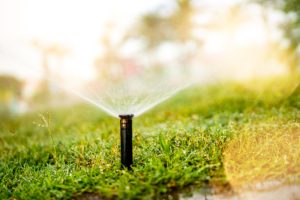 Cooler nights and shorter daylight reduce water demand, while periodic rain returns to the forecast. If your controller still runs peak-summer settings, grass stays wet too long and roots stop chasing moisture deeper in the soil. That combination leads to fungus pressure, matting, and the brown patches many homeowners mistake for “not enough water.” The fix is simple: scale back frequency, irrigate early in the morning, and keep cycles deep enough to reach the root zone without leaving the surface soggy.
Water Left in the System: The Hidden Danger
One of the most damaging mistakes in fall irrigation is leaving water trapped in the lines. Even a single cold night can cause that water to freeze, expand, and split pipe walls or fittings. The damage often isn’t obvious until spring. When you turn the system back on, you may discover poor pressure, sputtering heads, or unexpected flooding.
We’ve seen it firsthand with residential customers. A homeowner in Canton skipped winterization one year, figuring the system was “buried deep enough” to avoid freezing. By spring, several lateral lines had cracked underground. Instead of a simple startup, the repair required digging up multiple sections of lawn. It was a costly and frustrating fix that could have been prevented with a fall blow-out.
Commercial properties face even higher stakes. At a business park in Bedford, a missed blow-out led to a burst mainline. When the irrigation system was turned back on in April, water seeped beneath a parking area, creating a muddy hazard and damaging asphalt. The repair bill ran into thousands of dollars. Not to mention, there was a negative impression on tenants and visitors. For HOAs and business owners, the cost of skipping winter prep goes beyond pipes and valves. It can affect reputation and property value.
The lesson is simple: water left in your system doesn’t just freeze — it multiplies into bigger problems when temperatures rise again. Winterization eliminates that risk entirely, ensuring your system is safe, sound, and ready for a smooth spring startup.
Prevent the Fall Mistake
We’ll tune your schedule for cooler weather, check coverage, and get your winter turn-off on the calendar—before the first hard freeze.
What Professional Fall Service Looks Like
 A professional visit goes beyond a quick setting change. Technicians review your controller programming, verify sensor function, observe live zones for overspray and coverage gaps, and note any pressure inconsistencies. For winterization (“blow-out”), they shut off supply, connect a commercial compressor, and move zone by zone until water is fully expelled—protecting valves and the backflow device along the way. The right equipment and pressure keep components safe while ensuring lines are truly clear.
How to Tell You’re Making “The Mistake”
If your lawn stays damp into the evening or you notice water pooling long after the sprinklers have shut off, that’s a sign your system is still running on a summer schedule. Grass doesn’t need as much moisture once the nights cool down. Leaving the surface soggy can actually weaken roots instead of strengthening them. You may also notice more mushrooms, moss, or dark patches appearing in shaded areas. These are all indicators of too much late-season water.
Another giveaway is when sprinkler heads are still spraying sidewalks, driveways, or even fallen leaves rather than the lawn itself. By fall, growth patterns shift and obstructions change. So, a system that was aligned properly in June may no longer be distributing water efficiently. If you find yourself stepping over wet pavement or seeing mist blowing off into the street, your system needs a tune-up.
Finally, the clearest sign you’re making “the mistake” is not having a plan to winterize at all. If October arrives and your system hasn’t been scheduled for shut-off, you’re gambling against the first hard frost. It only takes one freezing night to damage buried lines and sprinkler heads. The repairs are far more expensive than a proper blow-out. Homeowners and property managers in towns like Canton and Bedford know that scheduling early is the safest way to protect both turf and infrastructure before winter hits.
Bottom Line
Local Timing Matters in New England
Early frosts can surprise homeowners in Canton. Meanwhile, highly visible commercial landscapes in Bedford and Wellesley benefit from proactive audits before temperatures dip. In Needham and Newton, HOAs often schedule fall checks in September and October. This helps them beat the rush and keep common areas presentable through the leaf season.
Prepare Now, Avoid Spring Headaches
The “fall irrigation mistake” is failing to prepare—running summer programs into September and October, and waiting too long to winterize. A short, professional visit now protects your lawn, prevents freeze damage, and sets you up for a clean spring start-up. It’s the simplest way to safeguard the investment you’ve already made in your landscape.
Trusted Irrigation Services for Homes, HOAs & Businesses
From single lawns to multi-zone campuses across Greater Boston—including Canton, Bedford, Newton, Wellesley, Weston, and Needham—we’ll protect your system and your curb appeal.